Akshay Banker

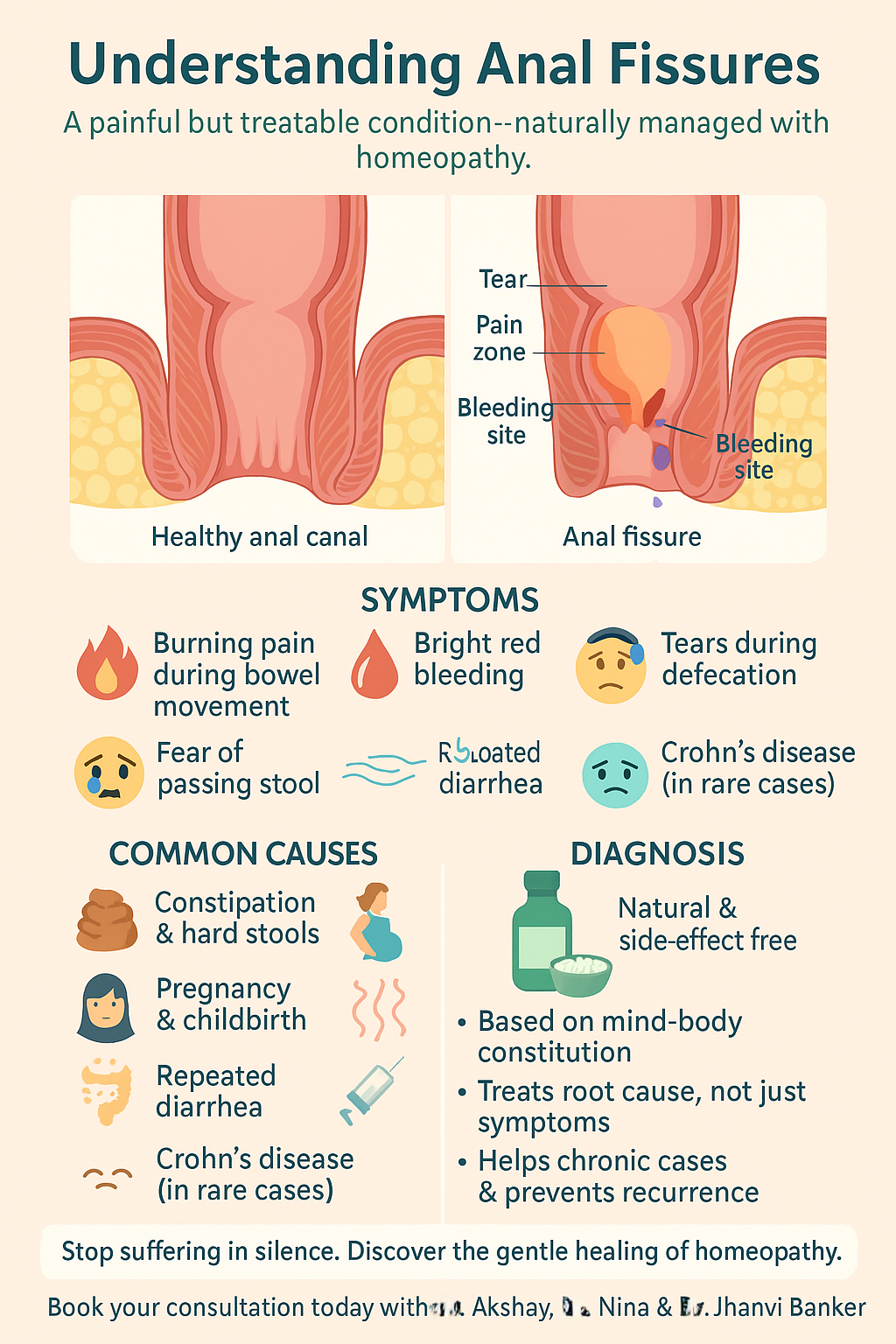
Illustration of an anal fissure showing a tear in the anal lining, with symptoms like pain and bleeding highlighted.

Homeopathic Treatment of Anal Fissure

By Akshay Banker, Nina Banker and Jhanvi Banker An anal fissure is a tear or cut in the lining of the anus. Passage of stool causes stretching of the anus producing severe pain during bowel movements. It is a common condition affecting men and women alike. Most anal fissures heal after a few days. If the anal fissure has not healed in 1 week on its own, then medicine is required to help it heal. Sometimes an anal fissure and haemorrhoid [Piles] develop at the same time. Symptoms: An anal fissure causes a sharp, stinging, or burning pain during a bowel movement. Pain from a fissure may be quite severe. Patients describe this pain – as if being cut by a knife, as if hot iron is applied; remaining for hours after stool and causing difficulty in sitting, walking and standing. The pain is so severe that the patients fear going for bowel movements and avoid it as much as possible but that makes the problem worse because stool gets collected and impacted in large amounts, often becoming dry and causing more difficulty to pass. Tears come in the eyes while passing stool. There may be itching and bleeding. Sometimes an anal fissure may be painless and bleeds intermittently. Causes: Anal fissures are caused by injury (trauma) to the anus by passing a large stool that stretches the anal canal or giving pressure to pass a hard stool when constipated or by repeated diarrhoea or during pregnancy due to pressure of the uterus or during labour/childbirth or by foreign body insertion or anal intercourse. In some cases, an anal fissure may be caused by Crohn’s disease, an inflammatory bowel disease (IBD).   Diagnosis: Anal fissures can be diagnosed from symptoms and by examination of the anus. Homeopathic Treatment: Homeopathy has a wonderful effect on this problem. We have seen patients who come to our clinic with severe pain in the anus due to fissure and are unable to sit properly or sit only half on a seat. With homeopathic medicines, they get so much relief from this pain. When you come to us for treatment, we take a detailed history of your present complaints, a detailed history of past illnesses, your lifestyle, a history of illnesses in the family, your nature/personality/behaviour and stresses in life. This will help us to understand your problem and also the probable root cause of your problem. Based on all this information homeopathic medicines are given which gradually bring relief in Fissures. Like these diseases, homeopathy has good results in many gastrointestinal diseases like haemorrhoids/piles, fistula, irritable bowel diseases, inflammatory bowel diseases, etc.

Homeopathic Treatment of Anal Fissure Read More »
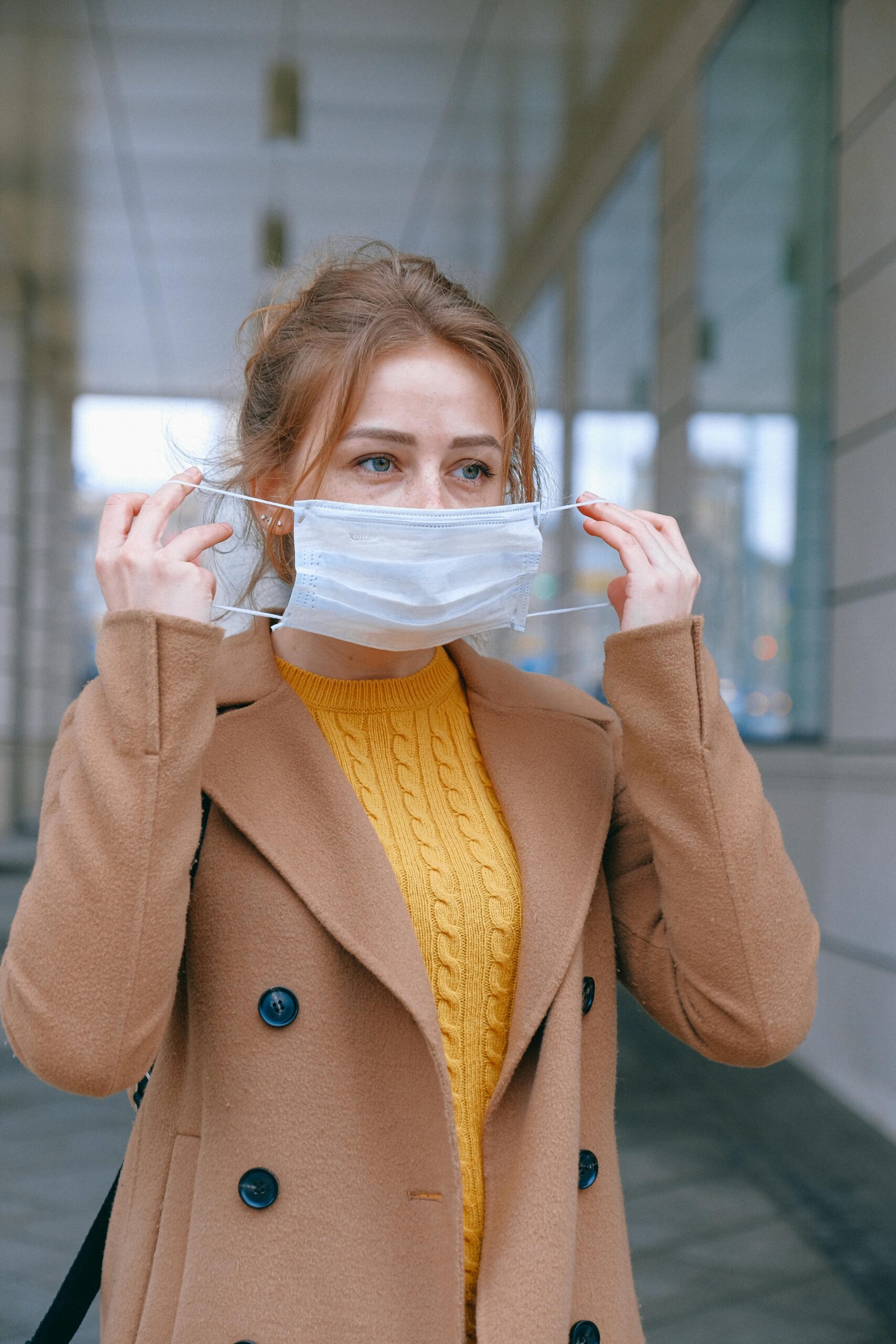
Woman wearing a protective face mask as a flu prevention measure during flu season

Flu (Influenza) and Homeopathy

In recent years, the flu has become an increasingly common concern, with hospitals and clinics crowded with patients, especially during the winter and early spring seasons. Influenza, or the flu, can impact anyone, but infants, the elderly, and those with chronic health conditions such as diabetes, heart disease, lung disease, and HIV are at a higher risk for complications. According to the Centers for Disease Control and Prevention (CDC), flu-related deaths in the United States can range from 3,000 to 49,000 annually. What is the Flu? Flu, or Influenza, is a highly contagious viral infection of the respiratory system, caused by one of three types of influenza viruses: A, B, or C. Type A influenza is particularly prone to mutation, which means new strains of the virus emerge frequently, making it impossible for the immune system to retain long-term immunity to the flu. Even if antibodies form against one strain, they are unlikely to offer protection from a new strain the following year. Influenza typically appears in the colder months—winter and early spring—and spreads rapidly. The flu virus targets both the upper and lower respiratory tracts, causing symptoms to develop anywhere from one to four days after infection. Symptoms of the Flu The flu shares many symptoms with the common cold, making it difficult to distinguish between the two. However, flu symptoms tend to be more severe. These symptoms include: While common colds usually cause mild symptoms, the flu can result in complications like sinus infections, ear infections, or even pneumonia, especially in vulnerable individuals. How Does the Flu Spread? The flu virus spreads easily from person to person through droplets in the air when an infected person coughs, sneezes, or even talks. You can catch the flu by simply being in close proximity to an infected person. The virus can also survive on surfaces such as doorknobs, phones, and countertops for up to eight hours. If you touch these contaminated surfaces and then touch your face, especially your eyes, nose, or mouth, the virus can enter your body. The flu is particularly prevalent in settings where people are in close contact, such as daycare centers, schools, colleges, workplaces, and nursing homes. Prevention – Self-Care Tips Here are some important hygiene practices to prevent the flu from spreading and to protect yourself, whether you are healthy or already infected: Treatment Allopathic Treatment Flu is caused by a virus, which means that antibiotics are ineffective against it. Antibiotics are only used when a secondary bacterial infection arises, such as bacterial pneumonia. The primary treatment for flu remains supportive, focusing on relieving symptoms. The flu vaccine is the most effective preventative measure. The CDC develops a flu vaccine each year based on predictions about which flu strain will be most prevalent. Homeopathic Treatment Homeopathy offers a more holistic approach to managing the flu. While flu is viral in nature, the body’s immune system plays a significant role in both preventing and fighting off the infection. A strong immune system can help the body resist viral infections, and homeopathic remedies aim to enhance immune function. For decades, homeopathic medicines have been known to strengthen the body’s immunity, making it better equipped to fight off infections like the flu. Homeopathy offers several remedies that can act as: Homeopathic remedies can address symptoms like fever, body aches, cough, fatigue, and congestion, often providing relief quickly. For many people, homeopathic treatment helps minimize the severity and duration of the flu, reducing the need for harsh chemicals or medications. Common Homeopathic Remedies for the Flu Some of the most effective homeopathic remedies for treating flu symptoms include: Post-Flu Recovery Even after the flu virus has passed, some patients experience lingering effects such as fatigue, weakness, or a persistent cough. Homeopathy can also help in these cases by speeding up recovery and easing the symptoms left behind. Homeopathic treatments focus on restoring overall vitality and well-being. Benefits of Homeopathic Treatment One of the major benefits of homeopathic remedies is that they are safe and free from side effects, making them suitable for all ages—from infants to the elderly. Unlike conventional medications that may cause unwanted side effects or dependencies, homeopathic remedies are tailored to the individual, providing personalized treatment without harm. Conclusion Flu is a highly contagious viral infection that can affect anyone, and its symptoms can range from mild to severe. While conventional treatments focus on alleviating symptoms, homeopathy offers a holistic approach by enhancing the body’s immune system, thereby preventing or reducing the impact of the flu. By strengthening immunity and providing targeted symptom relief, homeopathy can serve as a valuable treatment option during flu season. If you are concerned about the flu or have lingering symptoms after infection, consult a qualified homeopath to discuss remedies that can support your body’s recovery and boost your immune function. Stay healthy, stay safe, and consider homeopathy as a preventive and curative measure during flu season. Originally Written By: Akshay Banker, Nina Banker & Jhanvi Banker

Flu (Influenza) and Homeopathy Read More »

Dr. Akshay Banker explains homeopathic remedies for allergy relief

Allergy & Its Homeopathic Treatment

Author: Akshay BankerOriginally Published: 23 Oct. 2015 | Vol. 09 | Issue 10 | The Weekly Asian Connections Allergies have become one of the most common health concerns today, with an increasing number of people affected by various allergic reactions. It is estimated that more than one in every five individuals suffers from some form of allergy. But what exactly is an allergy, and how can we treat it effectively? In this article, we will explore what allergies are, their causes, symptoms, and most importantly, how homeopathy offers a safe and effective solution. What is an Allergy? An allergy is an abnormal immune response to substances that are generally harmless to most people. Normally, the immune system defends the body against harmful invaders, such as bacteria and viruses, by producing antibodies. However, in allergic individuals, the immune system mistakenly identifies harmless substances like pollen, dust, milk, nuts, or gluten as harmful and triggers an immune response. This results in a variety of symptoms ranging from mild discomfort to severe reactions. Common Allergens Allergies can be triggered by a wide range of substances. Some of the most common allergens include: Allergens can enter the body through four main routes: the nose, skin, mouth, and blood. What Causes Allergies? Despite extensive research, medical science has not yet pinpointed the exact cause of why some individuals develop allergies. It’s understood that certain triggers, such as mental stress, improper treatments, overuse of medications, vaccinations, and even food preservatives, may contribute to the onset of allergies. Many people who have never had allergies in the past may suddenly start reacting to substances they had no previous issues with. This unpredictable nature of allergies leaves many people puzzled about their triggers. Symptoms of Allergies The symptoms of an allergy depend on the allergen involved but may include: Diagnosis of Allergies Diagnosing allergies involves a thorough medical history, identifying symptoms in relation to potential allergens, and specific tests. Common tests include: Conventional Treatment for Allergies While avoiding allergens is the first step in managing allergies, it’s not always practical or possible. Modern medicine often uses antihistamines, decongestants, corticosteroids, and immunotherapy (allergy shots) to treat allergic reactions. However, these treatments often come with side effects like drowsiness, dry mouth, tachycardia, blurred vision, headaches, insomnia, and more. Immunotherapy, which involves regular allergy shots, can take several years to show full benefits and requires close monitoring due to the risk of anaphylaxis. Homeopathic Treatment for Allergies Homeopathy offers a unique approach to treating allergies by not merely suppressing symptoms but addressing the root cause of the immune response. Homeopathic medicines are extremely safe, with no side effects. They work to resolve the underlying disturbance in the immune system, which makes the body overreact to normally harmless substances. By doing this, homeopathy also helps strengthen the body’s immunity and prevents future allergic responses. Homeopathic treatment is highly individualized. A homeopath takes a detailed history of the patient, including past health issues, family history of diseases, mental and emotional states, and personal lifestyle factors. This helps the homeopath understand the overall health status and constitution of the patient, allowing for a personalized treatment plan. Duration of Homeopathic Treatment The duration of homeopathic treatment for allergies varies depending on the severity of the condition and the patient’s adherence to the prescribed regimen. Typically, the treatment period can range from 8 months to 3 years. For best results, patients must provide accurate medical history, follow the homeopath’s instructions, and complete the full course of treatment as advised. With patience and consistent care, many individuals have successfully overcome their allergies using homeopathic medicines. Conclusion Allergies can significantly impact a person’s quality of life, but with the right treatment, it is possible to manage or even eliminate allergic reactions. While conventional treatments may offer temporary relief, homeopathy provides a holistic, long-term solution that addresses the root causes of allergies, without any harmful side effects. If you or someone you know suffers from allergies, consider consulting a homeopath to explore safe and effective treatment options. About the Author Akshay Banker is a globally recognized homeopath with 30+ years of experience in teaching and clinical practice. He is a registered member of CHO and OHMA, and a faculty member at the Ontario College of Homeopathic Medicine, Toronto. His treatments have helped thousands, and his writings in multiple languages continue to educate and inspire. Get in Touch Got questions or need help? Contact us here. Follow Us 📸 Instagram📘 Facebook

Allergy & Its Homeopathic Treatment Read More »

Illustration of a child with ADHD symptoms like inattention and hyperactivity, balanced by homeopathic remedies for calm and focus.

ADHD (in children) and its Homeopathic treatment

by Akshay Banker, Nina Banker and Jhanvi Banker We see so many children who are diagnosed with ADHD, and parents and people caring for children find it very difficult to manage them; and they respond very well to homeopathic treatment. So we thought of writing about ADHD. Attention-deficit hyperactivity disorder (ADHD) has been called attention-deficit disorder (ADD) in the past. But ADHD is now the preferred term because it describes both of the primary features of this condition: difficulty sustaining attention, hyperactivity and impulsive behaviour. In some children, signs of ADHD are noticeable as early as 2 or 3 years of age. It is a chronic condition that affects millions of children. It is seen more often in males than in females. Symptoms: Difficulty paying attention; Frequently daydreaming; Difficulty following instructions and not listening; has problems organizing tasks or activities; forgetful and loses needed items, such as books, pencils or toys; fails to finish schoolwork, chores or other tasks; Easily distracted; Frequently fidgets or squirms; Difficulty remaining seated and seemly in constant motion; Excessively talkative; interrupts or intrudes on others’ conversations or games; has trouble waiting for his or her turn; Most healthy children are inattentive, hyperactive or impulsive at one time or another. It’s normal for preschoolers to have short attention spans and be unable to stick with one activity for long. Even in older children and teenagers, attention span often depends on the level of interest. The same is true of hyperactivity. Young children are naturally energetic. Some children have a higher activity level than others. Children should never be classified as having ADHD just because they’re different from their friends or siblings. Children who have problems in school but get along well at home or with friends are likely struggling with something other than ADHD. The same is true of children who are hyperactive or inattentive at home, but whose schoolwork and friendships remain unaffected. Cause – The Exact cause is not clear. It can run in families. Risk factors for ADHD may include: Blood relatives (such as a parent or sibling) with ADHD or another mental health disorder; Exposure to environmental toxins — such as lead, found mainly in paint and pipes in older buildings; Maternal drug use, alcohol use or smoking during pregnancy; Maternal exposure to environmental poisons — such as polychlorinated biphenyls (PCBs) — during pregnancy; Premature birth; Sugar is a popular suspect in causing hyperactivity; vaccinations were also considered a possible factor to cause ADHD. ADHD can make life difficult for children. They often struggle in the classroom, which can lead to academic failure and judgment by other children and adults; Have poor self-esteem; Are more likely to have trouble interacting with and being accepted by peers and adults; Are at increased risk of alcohol and drug abuse and other delinquent behaviour. ADHD doesn’t cause other psychological or developmental problems. Children with ADHD are more likely to also have conditions such as: Learning disabilities, including problems with understanding and communicating; Anxiety disorders with worry, nervousness; Depression; Bipolar disorder with manic behavior; Oppositional defiant disorder (ODD); Conduct disorder, antisocial behavior such as stealing, fighting, destroying property, and harming people or animals. Diagnosis – For a diagnosis of ADHD, a child must have six or more signs and symptoms from one or both of the two categories: Inattention and Hyperactivity and Impulsivity. Children preschool age or younger suspected of having ADHD should be evaluated by a specialist, such as a psychologist or psychiatrist, speech pathologist, or developmental paediatrician. Treatment: Standard treatments for ADHD in children include medications, education, training and counselling. These treatments can relieve many of the symptoms of ADHD, but they don’t cure it. It may take some time to determine what works best for the child. Children with ADHD often benefit from behaviour therapy and counselling. Behaviour therapy, Counselling, Psychotherapy, Parenting training skills, Family therapy, and Social skill training play a very important role along with medication. The best results usually occur when a team approach is used, with teachers, parents, and therapists or physicians working together. Homeopathic medicines have provided very good results in treating ADHD. Homeopathic medicines have an added advantage of having no side effects and can be taken for a long time, and the medicines taste sweet,t which is liked by children. Homeopathic medicines are not given as a stimulant to the brain, but are given for the development of brain functions in a normal way. Homeopathic medicines can also be taken along with other medicines without producing any reaction with these medicines. A homeopath takes a detailed history of the child, which includes his present symptoms, past illnesses, family history of illness, his mental, emotional, psychological symptoms, etc and then decides what medicine to give. This medicine will help his mind and body to grow and try to bring all the functions of the body and mind to normalcy. So, the hyperactive mind, inattention, destructive behaviour, maniac behaviour, oppositional nature, etc, all can be pacified and he can start behaving normally as other children. Any anxieties, depression, fear, worry, restlessness, or nervousness can be treated. Children usually start showing interest and concentration in activities at school as well as at home. So, there is an overall growth and development of the child. The parents and family need to learn to behave and manage such children, and this can be achieved through parent and family therapy. Homeopathic medicines are effective in any type of disease or condition in children of any age, including newborns. Please talk to us and see if homeopathy can be of help.

ADHD (in children) and its Homeopathic treatment Read More »

Square image showing an anxious woman with homeopathic remedies offering natural relief from emotional stress.

Understanding Anxiety and Its Homeopathic Treatment

By Akshay Banker, Nina Banker, Jhanvi Banker Anxiety is an emotional state characterized by feelings of tension, worried thoughts, and physical changes such as increased heart rate. It can range from mild uneasiness to intense panic, and may affect anyone at any age. Anxiety is a common emotion experienced by everyone in various situations of life. But suppose someone feels it with more intensity and often in more common situations, and experiences fear or panic. In that case, the person is said to have Anxiety disorder or Panic disorder. This can happen to children, adults or the elderly. These people avoid going to some places, some situations because of these feelings and fears. Common Symptoms of Anxiety– Persistent worrying or fear without a clear cause– Restlessness or feeling “on edge”, trembling of body, weakness, tired feeling– Rapid heartbeat, sweating, or dry mouth, rapid breathing, perspiration, – Sleep disturbances and digestive issues– Difficulty concentrating, sleeplessness, difficulty to focus, – Muscle tension – Trapped feeling, desire to escape form the place or situation, helplessness feeling. – Feeling of pressure in chest when in crowded place/elevator/ traffic/desire to call 911 or go to ER. Causes and Triggers Sometimes a situation or event leaves a very strong impression on the mind and attaches the feeling of anxiety or panic to it, and then in all future similar events or situations it will show these feelings as an intense expressions e.g seeing death of someone, seeing accident, seeing dead body, seeing someone suffer from a disease, seeing a scene in movie, getting stuck in elevator or traffic etc, etc. These leave a very strong impression on the mind, which is experienced as anticipatory anxiety. This anxiety is also seen in patients suffering from diseases like diabetes, hypothyroidism, heart disease, asthma, COPD, IBS, drug or alcohol withdrawal, anti-anxiety or antidepressant medicine withdrawal, etc– Stress at work or in personal relationships– Trauma or emotional shocks– Hormonal imbalances or thyroid dysfunction– Caffeine, alcohol, or substance use– Genetic predisposition (family history)– Major life changes Types of Anxiety Disorders– Generalized Anxiety Disorder (GAD)– Panic Disorder– Social Anxiety Disorder– Specific Phobias– Separation Anxiety Due to Anxiety, the person can also develop various diseases like depression and other mental or emotional disturbances, addiction to alcohol or drugs, sleeplessness or insomnia, digestive or gastric problems like IBS, migraine, desire for social isolation, suicidal thoughts, etc. Homeopathic Approach to AnxietyHomeopathy views anxiety not as a standalone problem, but as a manifestation of deeper imbalances. It addresses the root cause by considering both physical and emotional symptoms. There are many medicines in homeopathy which can help in controlling and getting rid of anxiety in a person. To prescribe a homeopathic medicine, a homeopath tries to understand the problem in greater depth. A complete, detailed history is taken, which includes the present symptoms, their origin, and progress, things that make it worse or better; history of past illnesses, past and present stresses of life; history of diseases in the family, etc. Benefits of Homeopathy– Holistic and individualised approach– Gentle, non-addictive, and side-effect-free remedies– Effective for chronic and recurring anxiety episodes– Helps improve overall emotional and physical balance Final ThoughtsAnxiety can disrupt daily life, affect relationships, and lower self-esteem. Homeopathy offers a safe and effective alternative to manage and overcome anxiety at its core. Treating anxiety or a similar disorder is a long-term treatment commitment. If you’re struggling with anxiety or panic disorder, reach out to us for a personalized, supportive treatment plan tailored to your unique emotional and physical constitution.

Understanding Anxiety and Its Homeopathic Treatment Read More »

Medical illustration showing the difference between a normal rectum and hemorrhoids (piles), highlighting internal and external swelling around the anus.

Homeopathic Treatment of Piles/Hemorrhoids

This medical diagram illustrates the anatomical differences between a normal anal canal and one affected by hemorrhoids. On the left, the image shows a healthy rectum with no swelling. On the right, it displays swollen veins—both internal and external hemorrhoids—highlighting the pain and inflammation commonly associated with this condition. This educational visual aids in understanding the severity and location of hemorrhoidal swelling.

Homeopathic Treatment of Piles/Hemorrhoids Read More »

Illustrated woman with vitiligo patches on her face and neck, representing holistic homeopathic care for skin conditions.

Vitiligo – A Homeopathic Perspective

By Akshay Banker, Nina Banker, Jhanvi Banker 🌿 What is Vitiligo? Vitiligo is a chronic skin condition where white patches develop on the skin due to the destruction or dysfunction of melanocytes, the pigment-producing cells. These cells produce melanin, the pigment responsible for the color of our skin, hair, and eyes. When melanocytes stop functioning or are damaged, the affected areas lose their color, resulting in depigmented patches on various parts of the body. These white patches are referred to as Vitiligo or Leucoderma. Vitiligo can occur on any part of the body and may also affect hair and mucous membranes, including the inside of the mouth. 🔎 Causes and Triggers of Vitiligo Although the exact cause of vitiligo is unknown, several factors are believed to contribute to the destruction of melanocytes: These factors may act as triggers, either alone or in combination. 🔍 Common Symptoms Vitiligo usually presents with: 🌱 Homeopathic Approach to Vitiligo Homeopathy considers vitiligo as a systemic disorder with emotional, genetic, and environmental dimensions. It doesn’t just aim to treat the white patches but addresses the root cause behind the condition. ✅ Benefits of Homeopathic Treatment A detailed case history is vital to treatment. Homeopaths evaluate: This insight helps the homeopath tailor a remedy specific to the patient’s physical and emotional makeup. 💬 Is Vitiligo Treatable? This is a common and complex question. As an autoimmune disorder, vitiligo lacks a singular, known cause and doesn’t present typical physical symptoms. Based on years of clinical experience: “Vitiligo is treatable with Homeopathic Medicines.” Treatment typically requires 18 to 24 months to evaluate long-term results. While it’s difficult to predict the full extent of recovery, homeopathy has helped many regain skin pigment and confidence over time. 🧠 Final Thoughts Vitiligo doesn’t just affect the skin—it can deeply impact one’s emotional well-being and confidence. Homeopathy offers a gentle, effective, and natural way to manage vitiligo and improve overall wellness. If you or a loved one is facing the challenges of vitiligo, reach out to us for a compassionate, customised treatment plan that fits your unique health profile.

Vitiligo – A Homeopathic Perspective Read More »

Illustration of a person with red scaly skin patches representing psoriasis, with homeopathic remedies placed beside the affected area.

Treating Psoriasis with Homeopathy

by Akshay Banker, Nina Banker and Jhanvi Banker Psoriasis is a chronic, non-contagious autoimmune skin condition that causes the skin to regenerate at a faster-than-normal rate. This leads to a buildup of skin cells that form thick, silvery scales and itchy, inflamed red patches. Psoriasis most often affects the elbows, knees, scalp, and lower back, but can occur anywhere on the body. There are scales on and around (clothes, floor, furniture) a person having psoriasis. Normally, our external skin regenerates and is replaced by new skin cells every 25 to 30 days without our awareness. However, this process becomes rapid and is done in about 7 days. SO, the scales which we see falling off are the normal skin which would have fallen off slowly without we being aware about it, whereas in these patients it is very evident. So it is not a contagious disease, though the appearance looks like one. Psoriasis is an Autoimmune disease. Causes and Triggers It is not known to the researchers why this process of skin regeneration or replacement speeds up. While the exact cause is unknown, psoriasis is believed to be an immune system malfunction. Common triggers include: Genetic predisposition (family history) Stress or psychological trauma Recurrent infections of some kind like strep throat etc Side effects of some medicines given for – Bipolar disorders, High BP, Anti-malarials, Iodides, etc Skin injury or sunburn Common Symptoms Thick, red patches of skin with silvery-white scales Dry, cracked skin that may bleed Itching, burning, or soreness Thickened or ridged nails Joint pain or stiffness (in cases of psoriatic arthritis) Types of Psoriasis Plaque Psoriasis – the most common type, characterized by raised, inflamed, scaly patches. Nail Psoriasis – affects fingernails and toenails. Guttate Psoriasis – small, drop-shaped sores often triggered by infections. Inverse Psoriasis – red, shiny lesions that appear in body folds. Erythrodermic Psoriasis – a severe, rare form that causes widespread redness and shedding of the skin. Complications of Psoriasis Arthritis; Eye complaints (conjunctivitis, blephritis, uveitis, etc); Diabetes; High BP; Heart disease; Parkinson’s disease; Kidney disease; etc Homeopathic Approach to Psoriasis Homeopathy offers a holistic, side-effect-free treatment for psoriasis by focusing on the root cause of the disorder rather than suppressing symptoms. Key Benefits: Strengthens the immune system Reduces the intensity and frequency of flare-ups Addresses associated emotional and psychological stress Safe for all age groups Individualised Care – Homeopathic treatment is customized for each individual patient. we take a detailed history of the case, taking into account: Physical symptoms and skin appearance – a detailed understanding of things that make the symptoms worse and relieve. Mental and emotional symptoms – past and present, stressful situations in life and its effects on health Family medical history of any diseases esp. autoimmune diseases This personalized approach helps to prevent recurrence and ensures long-term relief. Final Thoughts Psoriasis can be physically and emotionally taxing. Homeopathy provides a natural, gentle, and holistic solution to managing the condition, improving skin health, and enhancing overall well-being. During the course of treatment, we usually advise patients to monitor their recovery very closely because the medicine may detoxify the body, and while doing so, there may be an appearance of cold/fever/etc, which should not be suppressed by use of medicines like Tylenol/Advil/etc. Patients are supposed to report immediately because this is a very important step to recovery. If you’re struggling with persistent psoriasis, consider homeopathic treatment and please communicate with us for lasting relief without side effects. Remember, this is a difficult disease to treat, and the treatment is usually long term.

Treating Psoriasis with Homeopathy Read More »

Medical illustration comparing heel spur and plantar fasciitis with homeopathic treatment benefits.

Heel Pain and Homeopathic Treatment

By Akshay Banker, Nina Banker, Jhanvi Banker Heel pain, often a debilitating condition, affects many people worldwide, particularly among those over 40. While the pain can be sudden and sharp, it can also be a long-term issue that severely impacts a person’s daily life. Today, we focus on a common cause of heel pain—Calcaneal Spur (Heel Spur) and Plantar Fasciitis—and discuss how homeopathy can offer effective relief. What Is Heel Pain? Heel pain, often described as a sharp or burning pain in the heel of the foot, is a frequent complaint among individuals, especially in the morning when they first stand after a period of rest or sleep. This pain often results from two common conditions: Calcaneal Spur (Heel Spur) and Plantar Fasciitis. These conditions may develop due to a variety of factors such as excessive pressure on the heel, improper footwear, obesity, or certain medical conditions like arthritis. What is a Heel Spur (Calcaneal Spur)? A heel spur is a pointed, bony growth that forms on the bottom of the heel bone (calcaneus). It occurs due to excessive calcium deposition under the heel, often associated with Plantar Fasciitis. Plantar Fasciitis is inflammation of the plantar fascia—a band of connective tissue that runs across the bottom of the foot, connecting the heel to the toes. This condition is a leading cause of heel pain. Causes of Heel Pain Heel pain is often caused by excessive stress or strain on the foot, including the following: Medical conditions such as Rheumatoid Arthritis, Osteoarthritis, and Ankylosing Spondylitis may also contribute to heel pain. Symptoms The main symptom of heel pain, particularly from a heel spur or plantar fasciitis, is pain localized to the bottom of the heel. Common descriptions of this pain include: Diagnosis Heel pain is diagnosed through a detailed physical examination, focusing on tenderness around the heel. X-rays are commonly used to visualize the bony spur (in cases of calcaneal spur). Ultrasound or MRI may be used in more complex cases. Prevention and Conventional Treatment Preventing heel pain involves both proactive care and lifestyle adjustments: For individuals with more severe symptoms, a podiatrist may recommend custom orthotics, physical therapy, or even surgery in rare cases. How Homeopathy Can Help Heel Pain While conventional treatments can be effective in relieving symptoms, homeopathy offers a unique approach by focusing on the underlying causes of the condition, rather than just the symptoms. Homeopathic remedies can be particularly helpful for patients suffering from chronic or long-term heel pain. Homeopathic remedies are individualized to each patient, based on their symptoms, physical health, emotional state, and overall constitution. Homeopathic treatment works by stimulating the body’s natural healing abilities. In cases of calcaneal spur or plantar fasciitis, the homeopath focuses on the specific symptoms, the patient’s overall health, and their emotional and mental well-being. By addressing the root cause of the issue, homeopathy can help to promote long-term healing. A Case Example Recently, a 60-year-old woman came to see me with severe heel pain in her right foot, which had been ongoing for 11 months. The pain was described as burning, almost as if a nail had been driven into her heel. She had difficulty walking in the morning and would limp due to the pain. After starting homeopathic treatment, her pain decreased by 50% within a week, and almost completely disappeared within a month. This case is an example of how homeopathy can effectively treat heel pain and bring relief, even when conventional methods have failed. Conclusion Heel pain, caused by conditions like calcaneal spur and plantar fasciitis, can be incredibly painful and challenging to manage. While conventional treatments focus on symptom relief, homeopathy goes a step further by treating the root cause of the issue. By addressing both the local symptoms and the general well-being of the patient, homeopathy provides a holistic, long-term solution to heel pain. If you or someone you know is suffering from persistent heel pain, consult US to explore treatment options that could bring lasting relief.

Heel Pain and Homeopathic Treatment Read More »

Illustration of urinary tract infection with bladder discomfort and homeopathic remedies as natural treatment options.

Homeopathic Treatment of Urinary Tract Infection (UTI)

By Akshay Banker, Nina Banker, Jhanvi Banker Urinary Tract Infection (UTI) is a common condition that affects the bladder, urethra, or kidneys. It occurs when harmful bacteria enter the urinary tract, leading to symptoms like burning urination, frequent urges to urinate, lower abdominal pain, and discomfort. UTI is a very important problem to treat. We come across many patients having complaints of burning urination or UTI who have been having this problem for a very long time. They are given antibiotics, which relieve but after sometime the burning returns. These patients say that they have done everything possible to treat this UTI, but it recurs again and again. We are tired of it, and so as a last resort we have come to you. It is not good to take antibiotics so frequently. Homeopathy can treat such chronic, difficult diseases in a very effective way. But it requires time to treat them. So, have patience. We have seen this problem in children, adults and in elderly.  Common Symptoms of UTI– Burning sensation while urinating, cutting, pricking sensation while and after urinating. Sometimes the pain lasts for a long time after urinating. Sometimes there is severe pain while passing the last few drops of urine.– Increased frequency and urgency of urination, inability to hold urine urge, sometimes involuntary passage of urine.– Lower abdominal or pelvic pain– Cloudy or foul-smelling urine– Sometimes fever, chills, nausea, and backache. Causes and Risk Factors– Poor hygiene habits– Holding urine for prolonged periods– Dehydration– Use of public or unclean toilets– Menopause (due to hormonal changes)– Kidney stones– Diabetes UTI in WomenWomen are more prone to UTI due to a shorter urethra, making it easier for bacteria to reach the bladder. Pregnancy, sexual activity, and menopause further increase the risk. Homeopathic Approach to UTIHomeopathy treats UTI by addressing not only the infection but also the underlying tendency toward recurrence. Treatment is customized based on the patient’s physical, emotional, and constitutional profile. So a detailed history of the patient is taken to understand the problem and then a homeopathic medicine is given which will help in achieving the desired result. It is important to understand the disease. Simply killing the bacteria in urine does not cure the problem. Increasing the immunity towards these bacteria is also necessary. Homeopathic medicine does both, it kills the bacteria, increases the immunity against the bacteria and provides a long-term resistance towards the infection. Homeopathic medicine will alter the tendency of the patient to have UTI. Key Benefits of Homeopathy– Gentle and natural healing– Prevents recurrence of infections– Strengthens the immune system and bladder health– Safe for children, the elderly, and pregnant women Final ThoughtsUTIs can affect quality of life if left untreated or improperly managed. Homeopathy provides a safe, long-term solution by treating the root cause and restoring balance. If you or someone you know suffers from recurrent urinary infections, reach out to us for homeopathic treatment for effective, lasting relief.

Homeopathic Treatment of Urinary Tract Infection (UTI) Read More »

Scroll to Top